Why Sandwich Panel Machines Improve Productivity?
In today’s fast-paced industrial and construction sectors, productivity stands as a defining factor for success. For manufacturers of insulated building materials, the shift from manual, labor-intensive fabrication to highly automated machinery has transformed the economic landscape of production.
At the heart of this transition are sandwich panel machines, highly engineered systems that automate and integrate the complex processes of manufacturing insulated panels. These machines not only speed up production but also improve quality, reduce labor costs, enhance consistency, and support strategic scaling.
Understanding Sandwich Panel Machines
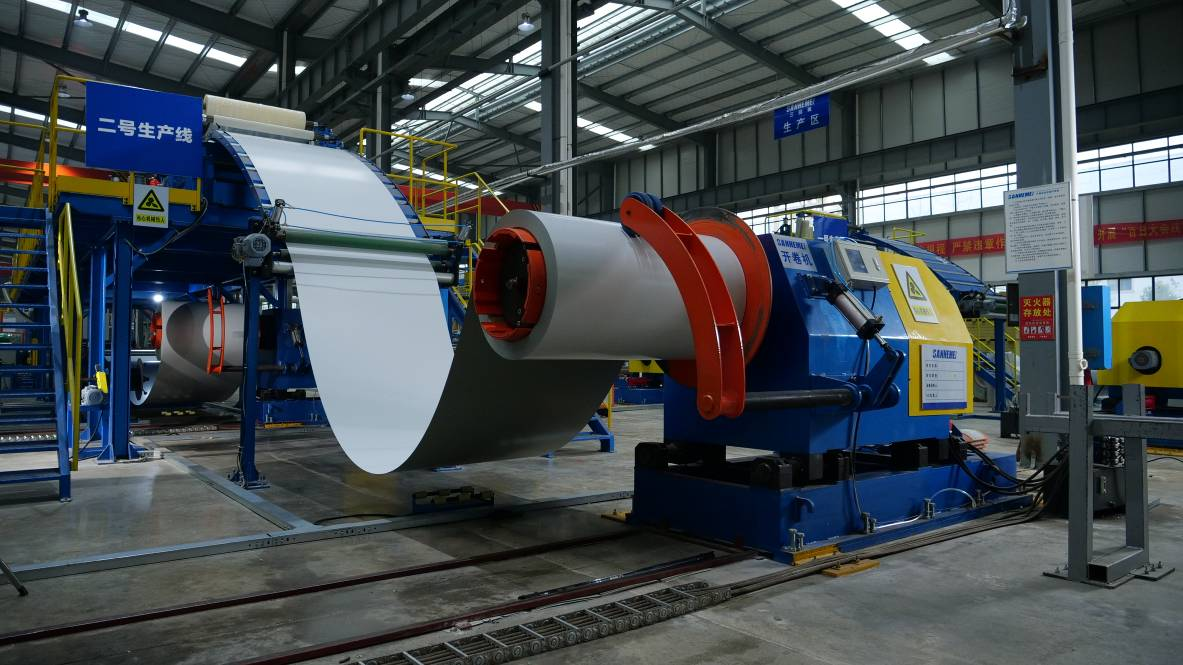
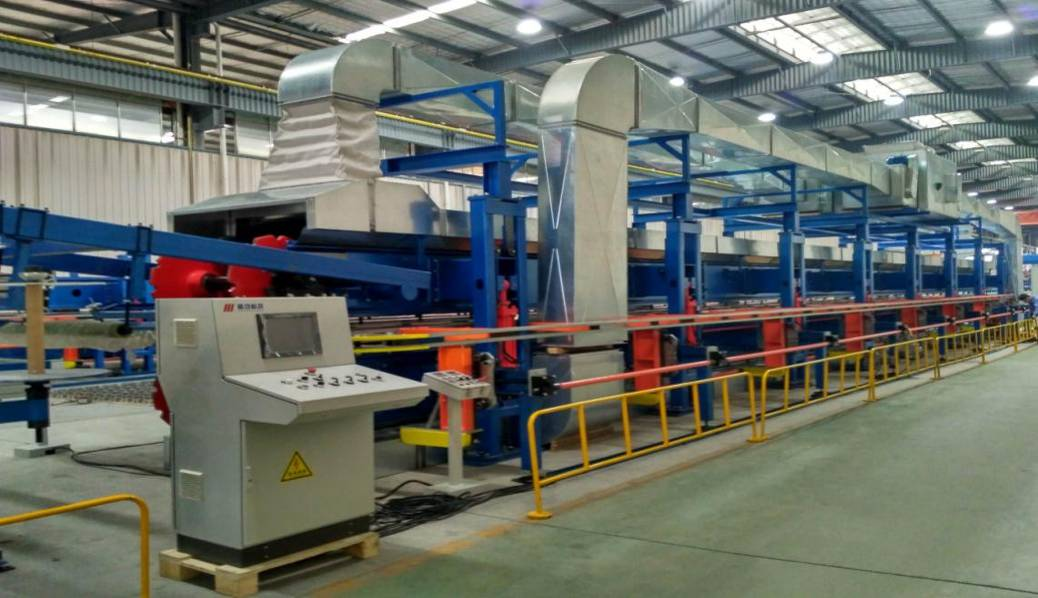
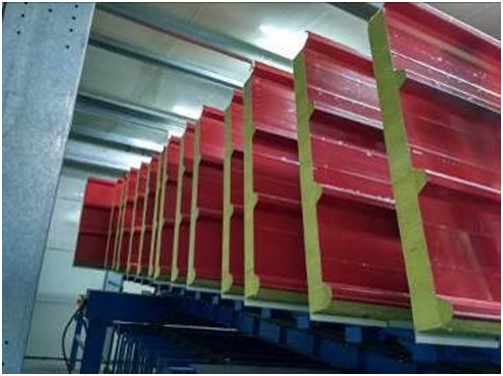
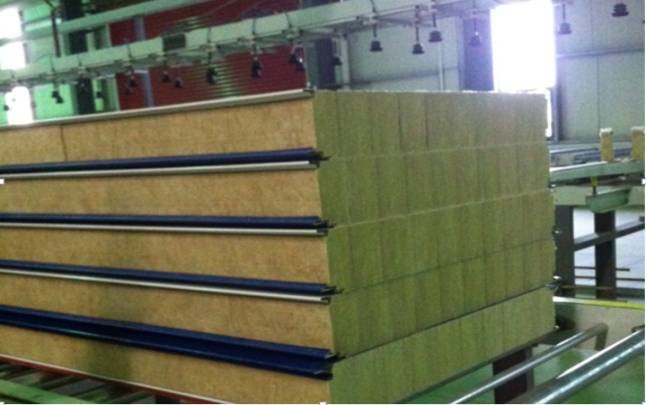
A sandwich panel machine refers to a complete production system that manufactures sandwich panels, consisting of two outer metal facing with an insulating core such as PU, PIR, EPS, or rockwool. These machines integrate multiple steps including:
Modern sandwich panel machines can be highly automated, incorporating PLC controls, servo systems, and advanced sensors that optimize performance and reduce human intervention.
1. Automation Eliminates Manual Bottlenecks
One of the most obvious productivity advantages of sandwich panel machines lies in automation.
From Manual to Automated Processes
Traditional panel fabrication involves multiple manual steps, aligning metal sheets, applying adhesive, positioning core materials, and trimming panels on site. These processes are slow, inconsistent, and heavily dependent on skilled labor. In contrast, sandwich panel machines automate roll forming. This automation drastically shortens production cycles while minimizing human errors and labor dependency.
Higher Throughput and Lower Labor Costs
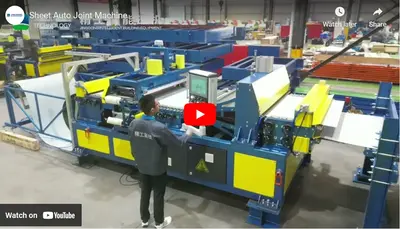
A fully automated sandwich panel production line achieves far greater throughput than manual methods. By continuously repeating precise, pre-programmed actions, machines remove the variability that slows down human workers, resulting in higher output with fewer personnel.
Jinggong sandwich panel production lines are designed to deliver this level of automation, supporting manufacturers in meeting high-volume demands without proportionally increasing workforce expenses.
2. Precision and Consistency Improve Yield
Consistent Panel Quality Reduces Waste
Highly automated sandwich panel machines ensure uniform application of adhesive, accurate core material distribution, and exact cutting tolerances. This consistency leads to fewer defective panels, less material waste and better adherence to specifications. As a result, less rework is required and material utilization improves substantially.
Machine Calibration Enhances Repeatability
Advanced sandwich panel machines include programmable logic controllers (PLCs), precision sensors, and closed-loop feedback mechanisms that maintain production parameters within tight tolerances. This allows manufacturers to produce hundreds or thousands of panels with minimal variance — a key factor in productivity optimization.
3. Reduced Setup and Transition Time
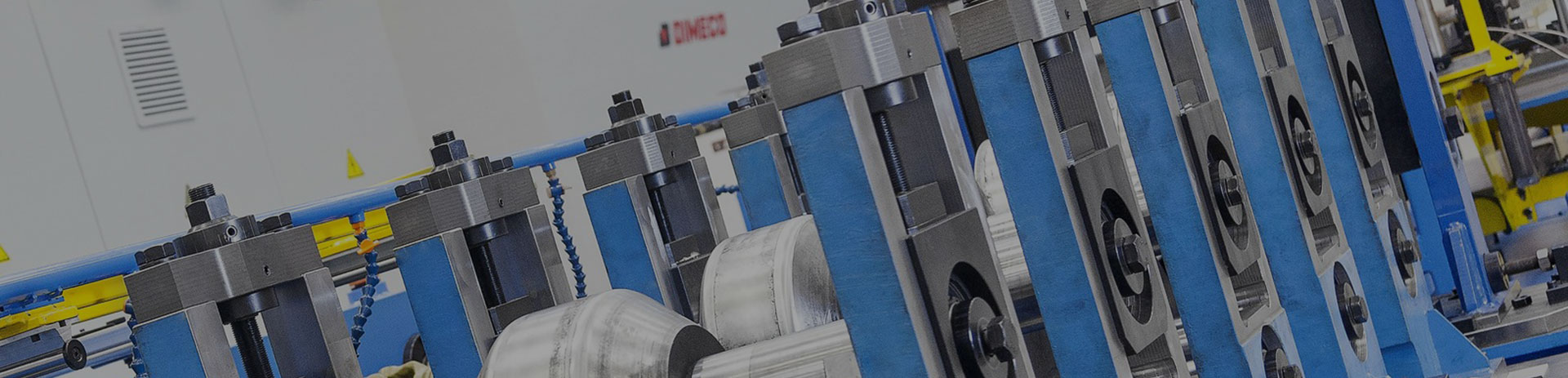
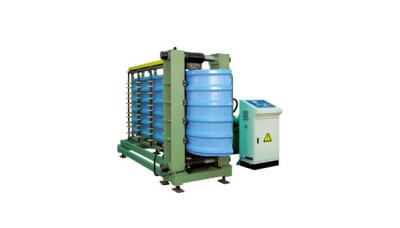
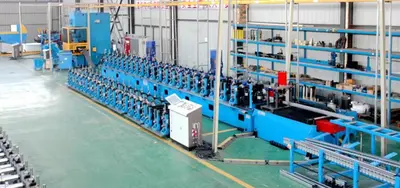
In traditional manufacturing, setup times for different panel types or sizes can be considerable, often involving manual tool changes and realignment. Modern sandwich panel machines support flexible configuration for multiple panel profiles, thicknesses, and core materials (PU, PIR, EPS, rockwool). This flexibility is achieved through quick-change tooling, adjustable roll forming stations, and programmable cutting systems.
The ability to switch between panel types with minimal setup time significantly enhances productivity, especially in environments where multiple panel styles are manufactured. Quick transitions mean fewer idle machine hours and more active production time.
4. Enhanced Process Integration
Productivity is multiplied when the individual stages of production are smoothly integrated.
Integrated Production Flow
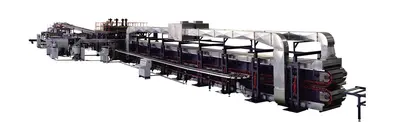
Sandwich panel machines bring together all critical manufacturing stages — from metal coil processing to final panel — into a synchronized workflow. Unlike disjointed manual processes, an integrated line ensures that:
Raw material enters at one end
Panels emerge finished at the other
Each stage feeds seamlessly into the next
This reduces delays, errors, and operational redundancies.
Real-Time Monitoring and Feedback
Advanced sandwich panel machines also feature digital control systems that allow operators to monitor performance data in real time and adjust parameters instantly. This not only ensures quality but enhances productivity by preventing stoppages and speeding up problem resolution.
5. Boosting Production Capacity with Scalability
Productivity gains are amplified when manufacturers can scale operations efficiently.
Many modern sandwich panel machines are designed in modular units. This allows manufacturers to expand capacity — for example, by adding additional roll forming sections or higher-speed conveyors — as demand grows.
With scalability built into the production architecture, companies avoid costly downtime for major equipment redesigns.
Jinggong sandwich panel production lines are a good example of scalable industrial solutions, allowing businesses to increase capacity without proportionally increasing production complexity.
6. Reducing Downtime Through Predictive Maintenance
Unplanned equipment downtime is one of the biggest threats to productivity in manufacturing operations.
Modern sandwich panel machines incorporate diagnostic systems that detect deviations or potential failures in real time. Alerts generated by these systems allow technicians to address issues before failure occurs, reduce emergency downtime and improve maintenance scheduling. This predictive maintenance approach keeps production lines running smoothly and reduces costly interruptions.
7. Supporting Multiple Panel Types and Markets
Sandwich panel machinery that can manufacture different types of panels, from PU and PIR to EPS and rockwool, allows manufacturers to diversify product offerings without investing in separate production lines.
This capability contributes to productivity in several ways:
Broader product portfolios
Better market responsiveness
Higher equipment utilization rates
For example, a single sandwich panel production line can be configured to produce:
EPS panels for prefabricated buildings
Rockwool panels for fire-rated applications
Clean room panels with specialized surface finishes
Such versatility allows manufacturers to leverage the same machines for multiple construction sectors, maximizing both productivity and return on investment.
8. Improving Workplace Safety and Efficiency
Human safety and productivity often go hand in hand, unsafe work environments can cause slowdowns, accidents, and indirect costs. By automating heavy and repetitive tasks, sandwich panel machines reduce the need for workers to engage in hazardous manual operations.
Safety interlocks, automatic shutdowns, and barrier systems built into modern machines minimize the risk of workplace accidents, leading to fewer production stoppages and more predictable output. This safety-centric automation improves overall productivity by creating a stable, low-risk production environment.
9. Energy Efficiency and Material Optimization
Productivity gains are also reflected in efficient use of resources.
Optimized Energy Consumption: Advanced sandwich panel machines are engineered to minimize energy usage during operations such as heating, curing, and servo drive control.
Material Saving Capabilities: Precision control systems ensure that core materials and metal facings are used efficiently, reducing waste and lowering material costs, which in turn improves production throughput per unit cost.
10. Reducing Time to Market
Finally, productivity is fundamentally tied to how quickly finished products reach the customer.
Accelerating Manufacturing Cycles
From raw material input to finished panels packaged and ready for shipment, sandwich panel machines compress production timelines through automation and integration.
Meeting Tight Construction Schedules
In construction projects with aggressive timelines, such as industrial facilities, warehousing centers, and prefabricated building sites, quick delivery of panels is critical to project success. High-speed sandwich panel machines ensure that manufacturers can meet these demands consistently.
Sandwich panel machines improve productivity across multiple dimensions — speed, consistency, capacity, flexibility, safety, and cost efficiency. They eliminate manual bottlenecks, ensure consistent quality, reduce downtime, and support scalable manufacturing solutions.
For manufacturers seeking to excel in competitive markets, investing in modern sandwich panel production lines is not just a matter of automation, but a strategic pathway to long-term efficiency and growth. Jinggong’s sandwich panel production lines exemplify these productivity advantages, offering modular, scalable, and high-performance solutions that help businesses optimize operations and deliver high-quality panels to diverse construction applications.

 CN
CN
 EN
EN
 fr
fr  de
de  es
es  it
it  ru
ru  pt
pt  ar
ar  th
th  pl
pl  ro
ro 

 Call us on:
  Email Us:
  #1809, Jianhu Rd, Keqiao, Shaoxing, Zhejiang, China