PIR Panel vs PUF Panel: Key Differences and What They Mean for Modern Production Lines
In modern construction and industrial insulation, sandwich panels have become one of the most widely used building materials. Among them, PIR (Polyisocyanurate) panels and PUF (Polyurethane Foam) panels are two of the most common types, known for their excellent thermal insulation, lightweight structure, and fast installation.
However, while PIR and PUF panels may appear similar at first glance, they differ significantly in terms of chemical structure, fire performance, insulation efficiency, and manufacturing requirements. Understanding these differences is essential not only for selecting the right panel but also for choosing the appropriate sandwich panel production line.
PUF Panels
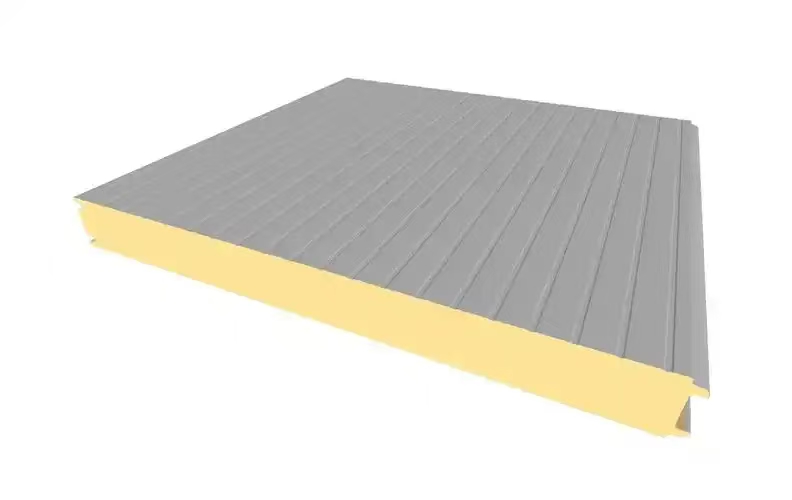
PUF panels are made by injecting polyurethane foam between two metal sheets, typically steel or aluminum. The foam expands and cures to form a rigid, lightweight core that bonds strongly with the facings. PUF panels are widely used in industrial buildings, warehouses, and prefabricated structures due to their balance of performance and affordability.
Key Characteristics of PUF Panels
Good thermal insulation with low thermal conductivity
Lightweight structure, reducing structural load
Cost-effective production, making them widely used
Versatile applications in walls, roofs, and cold storage
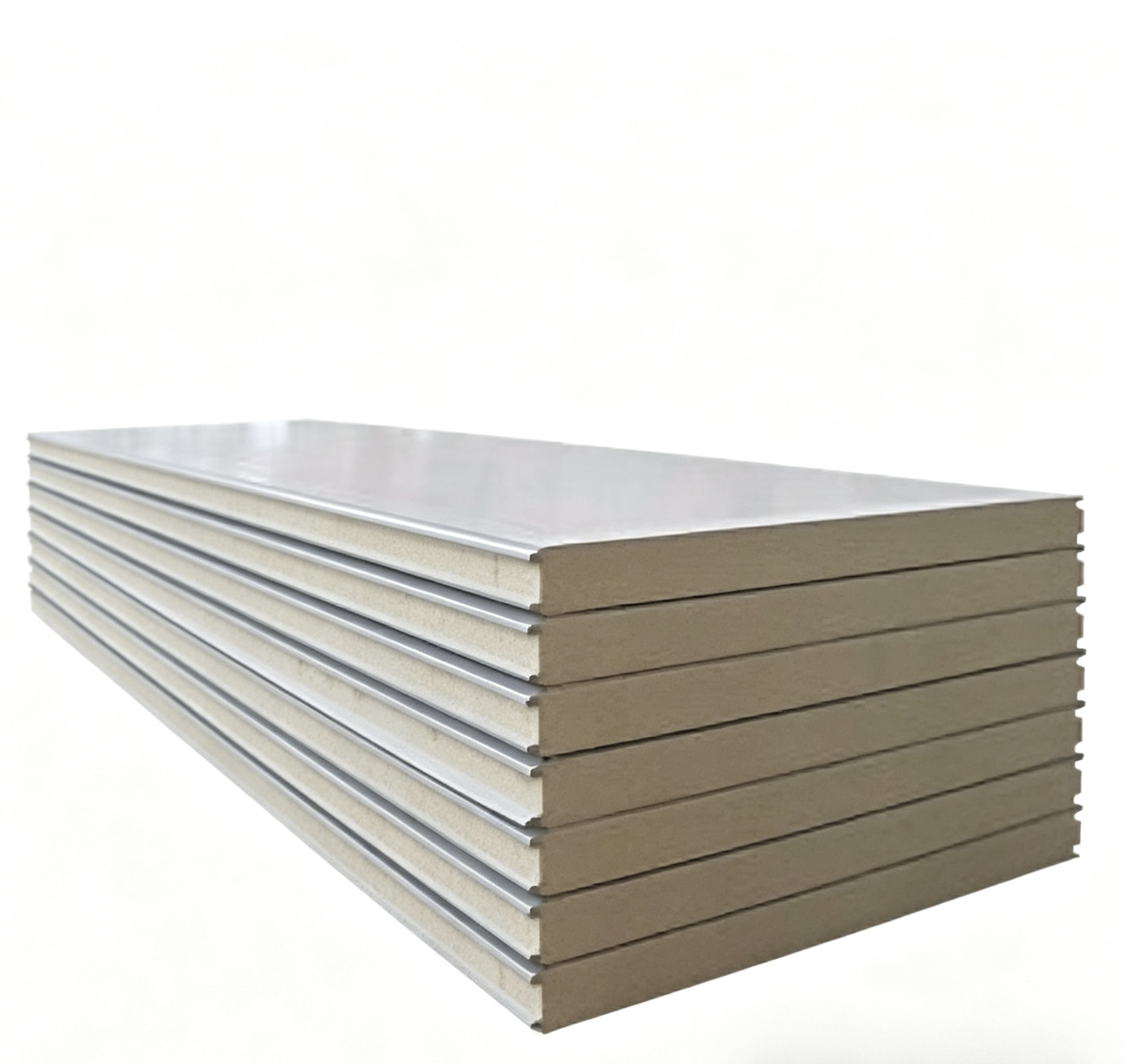
PIR Panels
PIR panels are an advanced version of polyurethane panels. They are produced using a modified chemical formulation that enhances fire resistance and thermal stability. PIR panels are increasingly preferred in applications where strict fire safety standards are required, such as commercial buildings, cleanrooms, and public infrastructure. PIR sandwich panels form a more stable char layer during combustion, slowing fire spread and improving safety performance.
Key Characteristics of PIR Panels
Superior fire resistance compared to PUF
Higher thermal stability at elevated temperatures
Better insulation performance in extreme conditions
Improved structural integrity during fire exposure
Feature | PUF Panel | PIR Panel |
Chemical Structure | Polyurethane | Modified polyisocyanurate |
Fire Resistance | Moderate | High |
Thermal Stability | Lower | Higher |
Insulation Performance | Good | Excellent |
Cost | Lower | Higher |
Application | General construction | High fire-rated buildings |
Smoke Generation | Higher | Lower |
Structural Integrity in Fire | Weakens faster | Maintains longer |
From Panel Selection to Manufacturing
Choosing between PIR and PUF panels depends on project requirements:
1. Fire Safety Requirements
In projects where fire safety is critical, such as airports, hospitals, and commercial complexes, PIR panels are often the preferred choice due to their enhanced fire resistance.
2. Cost Considerations
PUF panels remain popular for projects with tighter budgets, as they offer reliable insulation at a lower cost.
3. Environmental and Regulatory Standards
As building regulations become stricter worldwide, especially regarding fire safety and energy efficiency, the demand for PIR panels is steadily increasing.
While understanding the differences between PIR and PUF panels is important, manufacturers must also consider how these materials are produced. The transition from material selection to production introduces a new layer of complexity.
Both PIR and PUF panels are manufactured using sandwich panel production lines, but the requirements for each type differ in several critical ways:
Chemical formulation and mixing precision
Temperature control during foaming and curing
Line speed and curing time
Safety and environmental controls
How PIR and PUF Panels are Manufactured?
Although both panel types follow a similar general process, their production parameters vary significantly.
Typical Manufacturing Steps
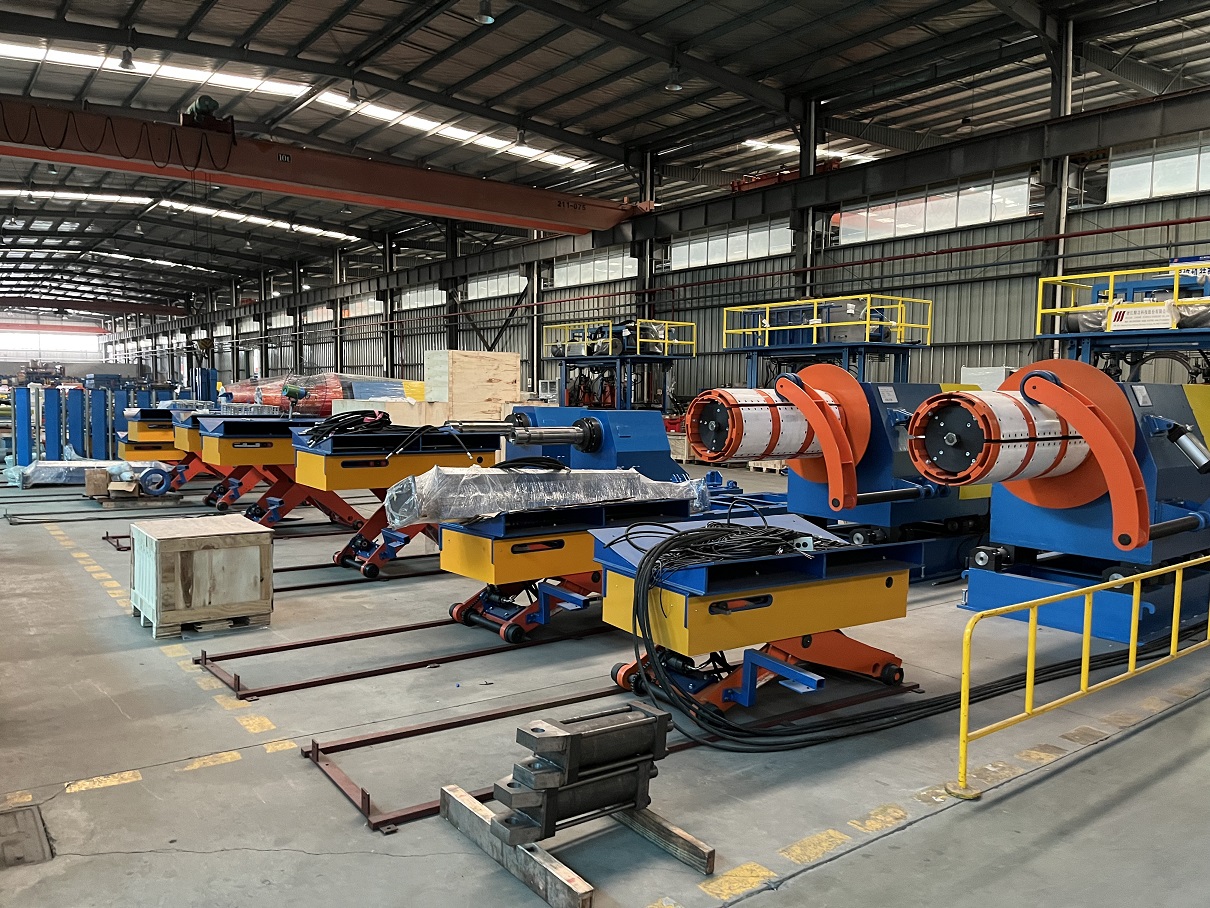
1. Metal Coil Feeding and Roll Forming
Steel sheets are shaped into panel profiles.
2. Foam Injection
Polyurethane or PIR chemicals are injected between the metal layers.
3. Expansion and Bonding
The foam expands and bonds with the facings.
4. Curing in Continuous Line
Panels pass through a double belt system for curing.
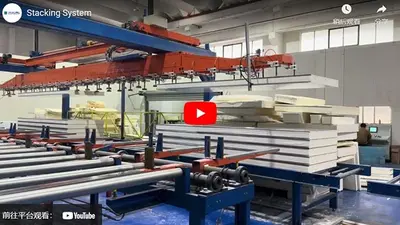
5. Cutting and Stacking
Finished panels are cut to size and prepared for shipment.
Key Differences in Production
Process Factor | PUF Panel | PIR Panel |
Chemical Ratio Sensitivity | Moderate | High |
Curing Temperature | Lower | Higher |
Process Control Requirement | Standard | More Precise |
Fire Retardant Additives | Limited | Required |
Equipment Precision | Standard | Advanced |
Because PIR production requires stricter control over chemical reactions and curing conditions, it demands more advanced and precise production line systems.
The Role of Advanced Sandwich Panel Production Lines
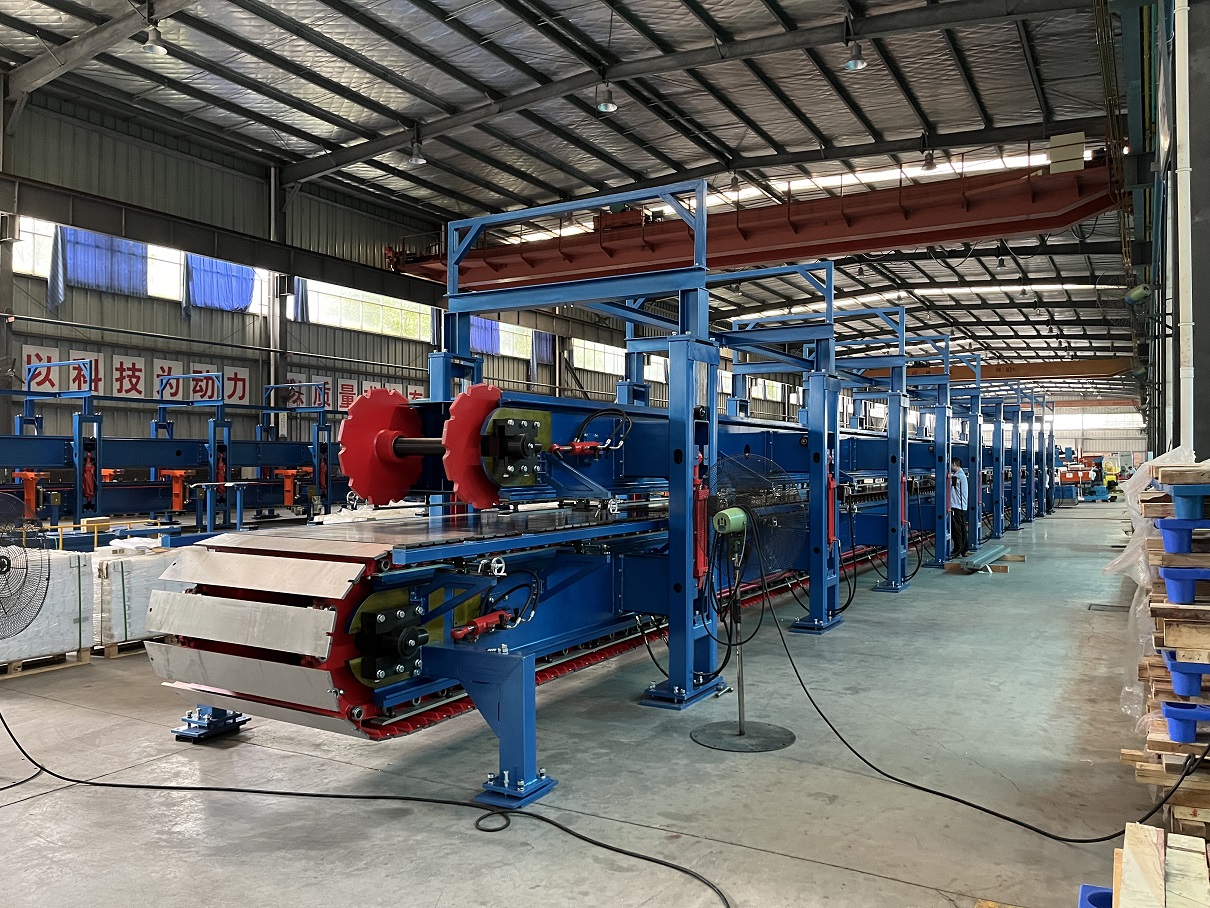
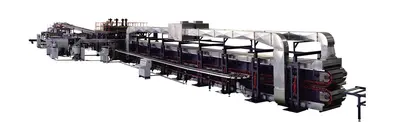
Modern sandwich panel production lines are designed to handle both PUF and PIR panel manufacturing with high precision and efficiency.
Key Features of Advanced Production Lines
High-precision dosing systems for accurate chemical mixing
Automated control systems (PLC/HMI) for real-time monitoring
Double belt conveyor systems for consistent curing
Flexible configuration to switch between PUF and PIR production
Energy-efficient operation to reduce costs
Manufacturers who invest in advanced production lines can achieve:
As the demand for high-performance sandwich panels continues to grow, equipment manufacturers play a key role in enabling efficient and scalable production.
Jinggong’s sandwich panel production lines are engineered to support both PUF and PIR panel manufacturing with:
Accurate chemical dosing systems for consistent foam quality
Advanced temperature and pressure control for optimal curing
Flexible line configurations to produce multiple panel types
High automation levels to reduce labor dependency
Stable continuous production systems for large-scale output
By integrating advanced automation and intelligent control systems, Jinggong enables manufacturers to meet increasing market demand while maintaining product quality and operational efficiency.
Choosing Between PIR and PUF
From a manufacturing standpoint, the choice between PIR and PUF panels should consider not only product performance but also production capabilities.
When to Choose PUF Panels
When to Choose PIR Panels
Fire-rated building requirements
High-performance insulation needs
Markets with strict regulatory standards
When to Upgrade Production Lines
Expanding into PIR panel production
Increasing production capacity
Improving product quality consistency
Reducing operational costs
Toward High-Performance Panels and Smart Manufacturing
The global construction industry is moving toward:
Stricter fire safety standards
Higher energy efficiency requirements
Increased use of prefabricated buildings
These trends are driving demand for PIR panels and advanced manufacturing systems. At the same time, production lines are evolving with digital monitoring systems, smart automation and data-driven process optimization. Manufacturers who adopt these technologies will be better positioned to compete in the global market.
The comparison between PIR panels and PUF panels goes beyond material differences, directly impacting manufacturing processes, equipment requirements, and overall production efficiency. PUF panels offer cost-effective and versatile solutions for general construction. PIR panels provide superior fire resistance and performance for high-end applications.
However, to fully leverage the advantages of either panel type, manufacturers must rely on advanced sandwich panel production lines that ensure precision, consistency, and scalability. With solutions like those offered by Jinggong, manufacturers can seamlessly transition between PUF and PIR production, optimize efficiency, and meet evolving market demands.
In today’s competitive landscape, the synergy between material selection and production technology is the key to success in sandwich panel manufacturing.

 CN
CN
 EN
EN
 fr
fr  de
de  es
es  it
it  ru
ru  pt
pt  ar
ar  th
th  pl
pl  ro
ro 

 Call us on:
  Email Us:
  #1809, Jianhu Rd, Keqiao, Shaoxing, Zhejiang, China