In the modern construction and insulation industry, sandwich panels have become essential for creating energy-efficient, durable, and rapidly deployable buildings. Among the most popular options are panels with polyurethane (PU) and polyisocyanurate (PIR) cores. While both materials belong to the same chemical family of rigid foams, they exhibit distinct characteristics that influence their suitability for different applications. Understanding the differences between PU and PIR panels is crucial for architects, engineers, and manufacturers seeking optimal performance in thermal insulation, fire safety, and overall building efficiency.
What is PU Material?
Polyurethane (PU) is a versatile polymer widely used in insulation, coatings, adhesives, and foams. Insandwich panels, PU refers to a rigid closed-cell foam core that provides excellent structural support and thermal resistance.
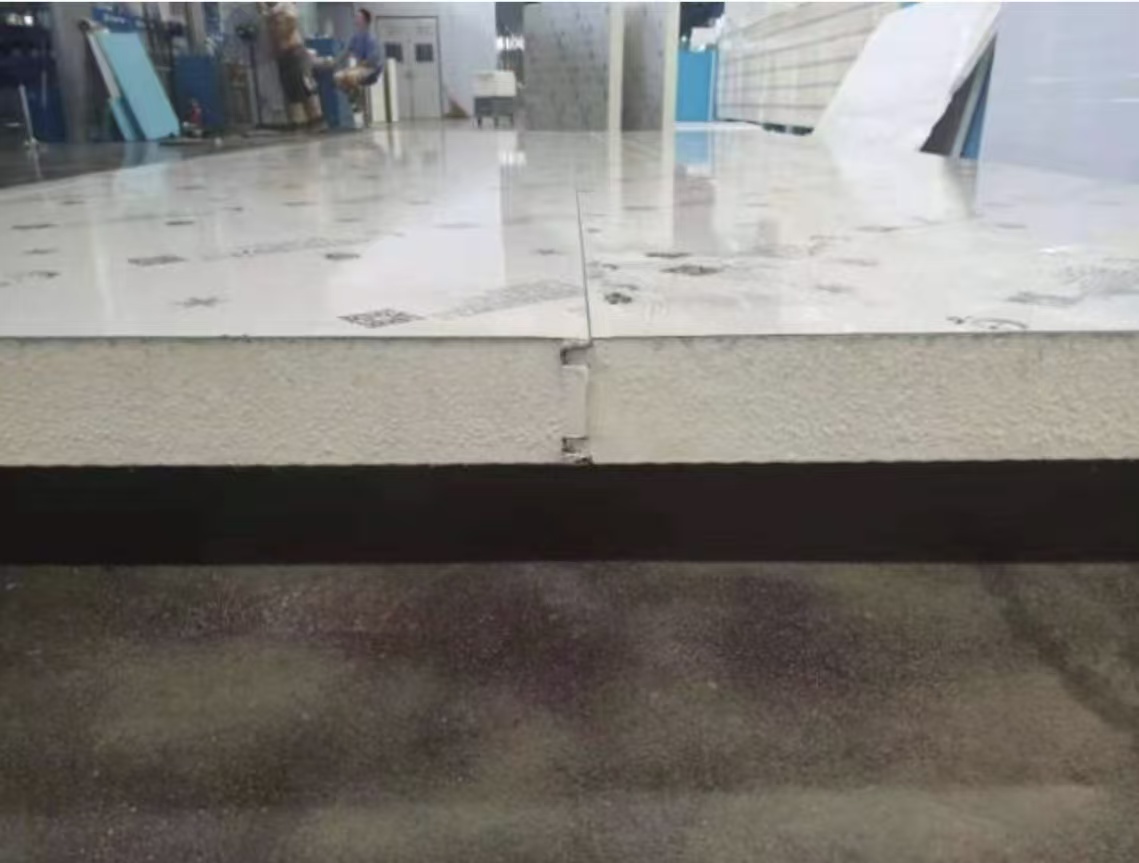
PU Full Form in Material
The full form of PU in material science is Polyurethane. It is formed through the chemical reaction between polyols and isocyanates, typically in the presence of catalysts, blowing agents, and other additives. This exothermic reaction creates a cellular structure that traps gas, resulting in a lightweight yet strong insulating material. PU foam has been a staple in the building industry since the mid-20th century due to its adaptability and cost-effectiveness.
PU Material Density
PU density in sandwich panels generally ranges from 35 to 50 kg/m³, depending on the specific formulation and intended application. Lower-density PU (around 35–40 kg/m³) is common for general-purpose insulation where weight reduction is prioritized, while higher densities (up to 50 kg/m³ or more) offer improved compressive strength for load-bearing applications. This density range allows PU panels to balance thermal performance with mechanical durability, making them suitable for walls, roofs, and cold storage facilities.
PU panels deliver reliable thermal conductivity values, often between 0.022 and 0.028 W/m·K, which translates to strong energy efficiency. Their closed-cell structure also provides good moisture resistance, preventing water absorption that could compromise insulation over time.
What is PIR Insulation?
Polyisocyanurate (PIR) insulation represents an advanced evolution of polyurethane technology. It is produced using a higher ratio of isocyanate to polyol compared to standard PU, leading to the formation of additional isocyanurate rings in the polymer matrix. This structural difference enhances several key performance metrics.
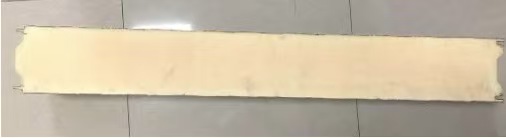
PIR vs PUR Insulation
While the terms PUR and PIR are sometimes used interchangeably in casual discussion, they have important technical distinctions. PUR insulation typically features a higher proportion of urethane linkages, resulting in good overall performance but moderate fire resistance and thermal stability. In contrast, PIR insulation incorporates more isocyanurate rings, which improve thermal stability and reduce flammability. PIR foam can withstand higher temperatures, often up to 120–140°C continuous service temperature compared to around 100°C for standard PUR, making it more suitable for demanding environments.
PIR also tends to exhibit lower smoke emission and better char formation during fire exposure, contributing to improved safety profiles in building applications.
When comparing PIR vs PUR panel constructions, the core material directly impacts panel behavior. PUR panels are generally more flexible in formulation and slightly more economical for standard applications. PIR panels, however, provide superior fire performance and marginally better long-term thermal efficiency due to their more stable molecular structure. In practice, many manufacturers produce hybrid panels that blend characteristics of both, but pure PIR variants are preferred in regions with strict fire codes or in high-risk facilities like warehouses and public buildings.
PIR panels maintain excellent dimensional stability, resisting shrinkage or expansion under temperature fluctuations better than some PUR formulations.
Comparing PU and PIR Panels
Density and Thermal Conductivity
Density plays a significant role in both mechanical strength and insulation value. PU panels typically operate in the 35–50 kg/m³ range, while PIR panels often fall between 30–45 kg/m³. The slightly lower average density of PIR can result in lighter panels without sacrificing performance.
In terms of thermal conductivity (lambda value), PIR generally outperforms PU with values as low as 0.018–0.022 W/m·K compared to PU’s 0.022–0.028 W/m·K. This difference means PIR panels can achieve the same U-valuewith thinner profiles, saving space and material costs in building design. Both materials benefit from closed-cell structures that minimize convection and conduction, but PIR’s enhanced cross-linking provides more consistent performance over decades of service life.
Fire Resistance Performance
PU panels offer good fire performance when treated with flame retardants, typically achieving classifications such as B-s1,d0 under European standards. However, they tend to melt and contribute more to flame spread at high temperatures.
PIR panels demonstrate superior fire behavior due to their chemical composition. They form a protective char layer when exposed to fire, which insulates the underlying material and slows combustion. PIR often achieves better reaction-to-fire ratings and can withstand temperatures exceeding 200°C before significant degradation. This makes PIR the preferred choice for industrial buildings, cold stores, and high-occupancy structures where fire safety is paramount. Additionally, PIR produces less smoke and toxic gases during combustion, enhancing evacuation safety.
How PU and PIR Panels are Manufactured?
The manufacturing of both PU and PIR sandwich panels relies on similar yet precisely controlled processes to ensure strong bonding between the metal facings and the foam core.
Continuous Sandwich Panel Production
Continuous production is the dominant method for high-volume output of PU and PIR panels. In this process, steel or aluminum coils are decoiled and roll-formed into profiled shapes for the top and bottom skins. The core chemicals, polyols, isocyanates, blowing agents, and catalysts, are mixed at high pressure and injected between the moving facings in a double-belt laminator. As the exothermic reaction occurs, the foam expands to fill the cavity uniformly, bonding strongly to the prepared metal surfaces.
This continuous method allows production speeds of 3–12 meters per minute, depending on panel thickness and core type. Precise temperature control and pressure management are essential to achieve uniform cell structure and density. Edge detailing, including tongue-and-groove or hidden joints, is formed simultaneously for airtight and weather-resistant assemblies.
Automation in Panel Manufacturing
Modern panel manufacturing heavily incorporates automation for quality consistency and efficiency. Computerized control systems monitor chemical ratios, foaming temperatures, and line speeds in real time. Automated cutting stations, using flying saws or high-speed band saws, produce panels to exact lengths without stopping the line. Stacking robots and packaging systems further reduce labor requirements while minimizing damage.
Quality assurance involves inline sensors for thickness measurement, density sampling, and adhesion testing. These automated features help manufacturers meet stringent international standards for thermal performance, fire safety, and dimensional accuracy.
Advanced Production Line Solutions by Jinggong
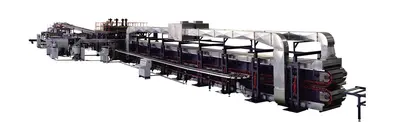
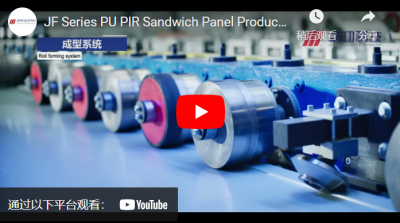
To meet the growing demand for high-quality PU and PIR panels, manufacturers turn to specialized equipment that supports both continuous and flexible production. A standout example is the PU/PIR Continuous Sandwich Panel Production Line from Jinggong. This advanced system is engineered for seamless integration of decoiling, roll forming, high-pressure foaming, laminating, and precision cutting processes. It handles various metal thicknesses and profiles while maintaining tight control over core density and bonding strength, making it ideal for producing both PU and PIR panels with consistent quality.
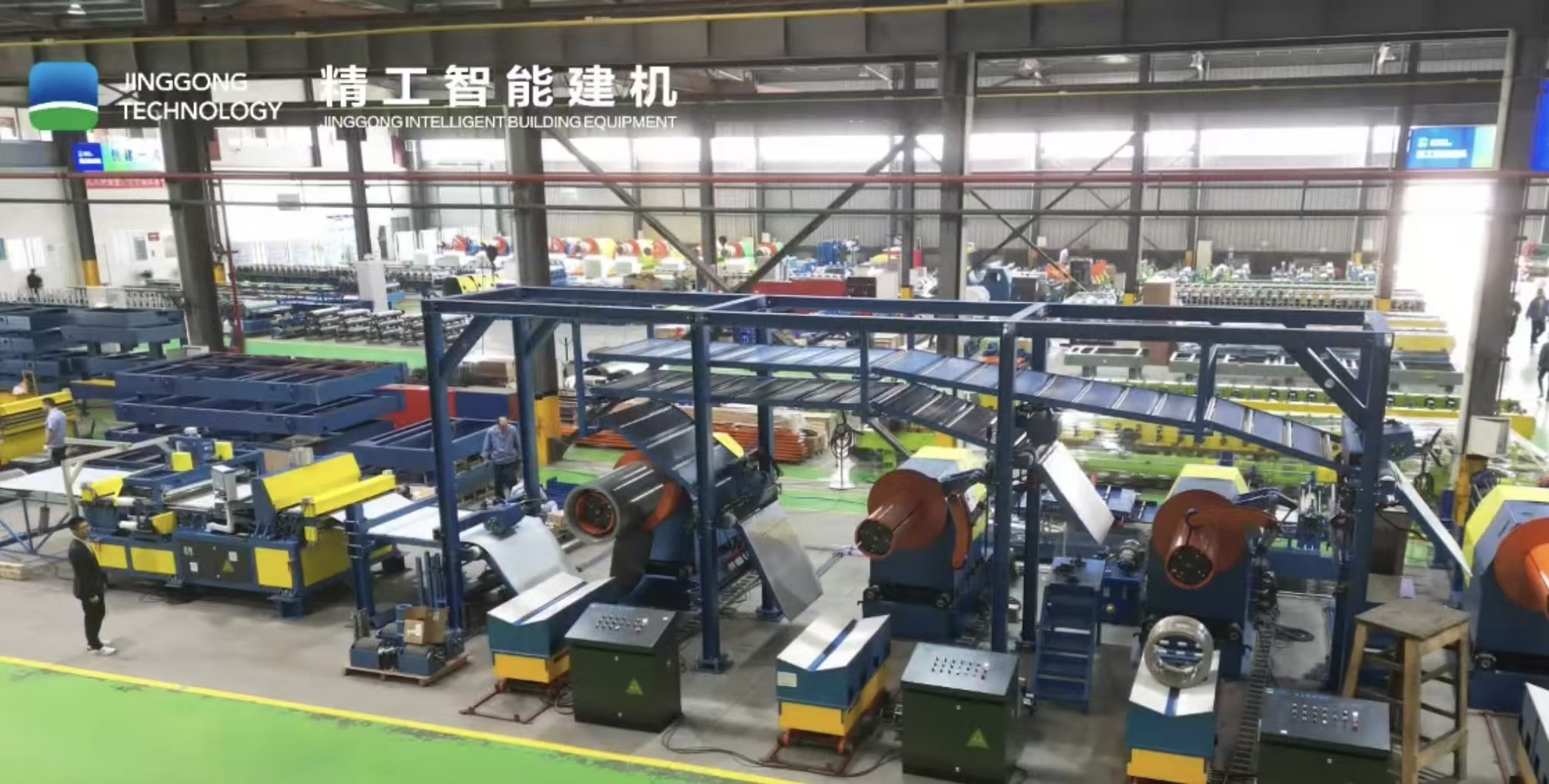
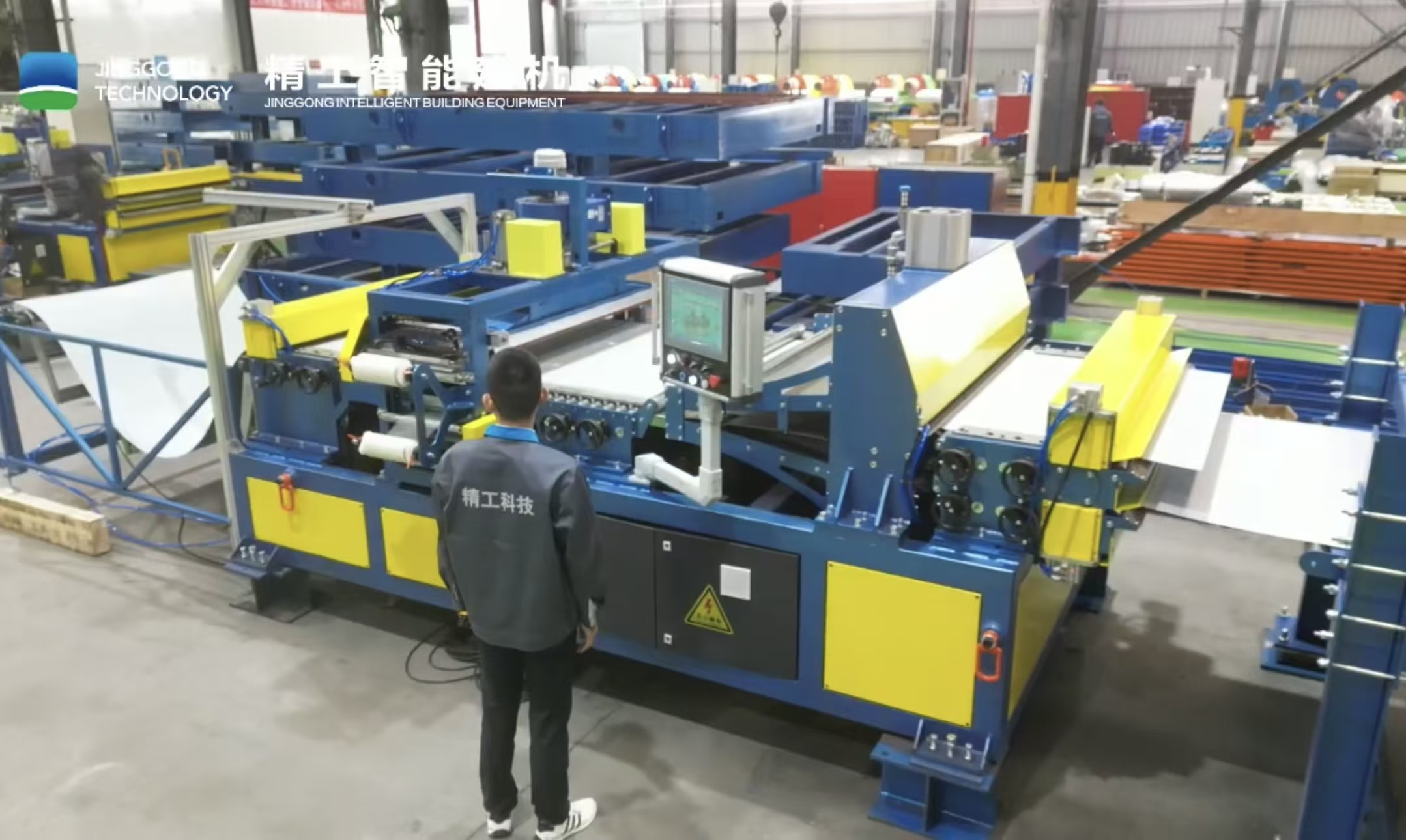
The Jinggong sandwich panel line for sale features robust temperature management in the curing section, automated stacking, and options for specialized formulations, enabling efficient production of panels tailored for cold storage, industrial facilities, and commercial buildings. Its design supports high output volumes with minimal waste, helping producers capitalize on the performance advantages of PIR while maintaining the versatility of PU formulations. By investing in such technology, manufacturers can respond quickly to market needs for superior insulation, enhanced fire resistance, and cost-effective building solutions worldwide.
In summary, while PU and PIR panels share a common polyurethane heritage, their differences in chemical structure lead to meaningful variations in density, thermal conductivity, and especially fire resistance. PU offers excellent value for standard applications, whereas PIR provides premium performance in demanding environments. The manufacturing processes, particularly continuous production with high automation, allow both materials to be produced efficiently at scale.

 CN
CN
 EN
EN
 fr
fr  de
de  es
es  it
it  ru
ru  pt
pt  ar
ar  th
th  pl
pl  ro
ro 

 Call us on:
  Email Us:
  #1809, Jianhu Rd, Keqiao, Shaoxing, Zhejiang, China