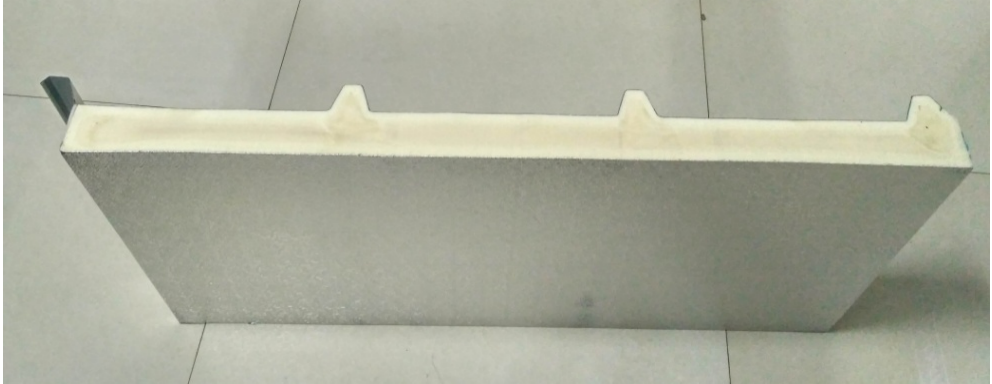
A PIR sandwich panel is a high-performance composite building material consisting of a rigid polyisocyanurate (PIR) foam core sandwiched between two strong, protective outer layers, typically made of pre-painted galvanized steel or aluminum sheets. These panels serve as efficient, lightweight solutions for walls, roofs, and facades in modern construction, combining structural strength, superior thermal insulation, and enhanced fire resistance in a single prefabricated element. Unlike traditional building methods that require separate layers for structure, insulation, and cladding, PIR sandwich panels integrate all these functions, dramatically speeding up installation while delivering consistent performance.
The term “sandwich” refers to the layered construction: the two rigid facings (often called skins) provide mechanical strength, weather protection, and aesthetic appeal, while the PIR core delivers excellent thermal and acoustic insulation.
Understanding the PIR Core
Polyisocyanurate (PIR) is a thermoset rigid foam derived from the reaction of isocyanates and polyols, similar to polyurethane (PUR) but with a higher proportion of isocyanate. This chemical difference leads to the formation of additional isocyanurate rings during polymerization, creating a highly cross-linked, closed-cell structure. The result is a robust material that does not melt when heated but instead forms a protective char layer, enhancing its stability under high temperatures.
Key properties of the PIR core include:
Low thermal conductivity: Typically between 0.018–0.023 W/m·K, one of the lowest among common insulation materials. This allows PIR panels to achieve high R-values or low U-values even in thinner sections compared to alternatives like mineral wool or expanded polystyrene (EPS).
Fire performance: PIR offers superior fire resistance compared to standard PUR, often achieving classifications such as B1 or B-s1,d0. It withstands temperatures up to around 300°C before significant degradation, produces less smoke, and slows flame spread by forming a char barrier.
Moisture resistance: The closed-cell structure makes PIR highly resistant to water absorption and vapor transmission, maintaining insulation performance in humid or cold environments.
Dimensional stability: PIR foam exhibits minimal shrinkage or expansion over time, ensuring long-term structural integrity of the panel.
Density: Usually in the range of 30–45 kg/m³, balancing lightweight characteristics with mechanical strength.
These attributes make PIR distinct from PUR, which has slightly higher thermal conductivity and lower heat resistance. While both are rigid foams, PIR is preferred in applications demanding better fire safety and thermal efficiency. Compared to mineral wool cores, PIR panels are lighter, offer tighter joints for superior airtightness, and provide higher insulation per unit thickness, though mineral wool may excel in certain acoustic or extreme fire-compartmentalization scenarios.
Manufacturing PIR Sandwich Panels
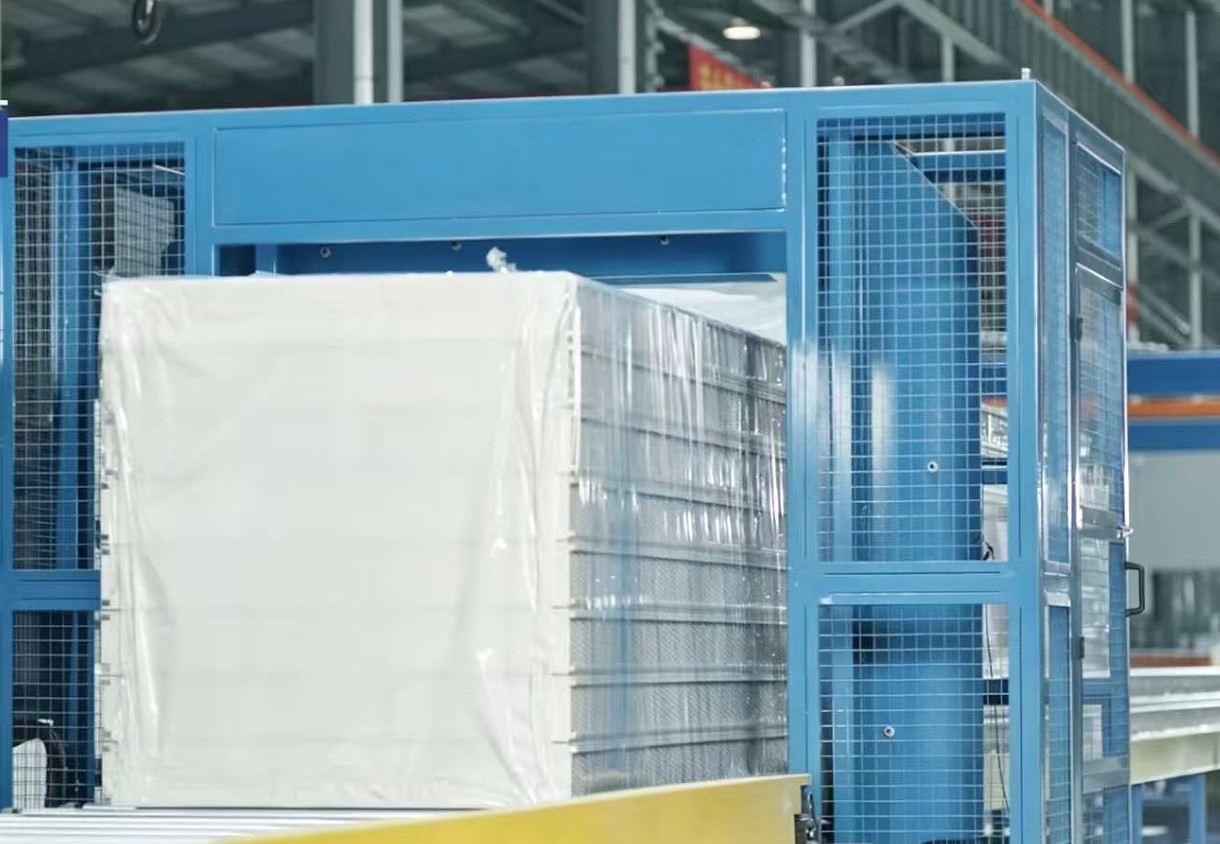
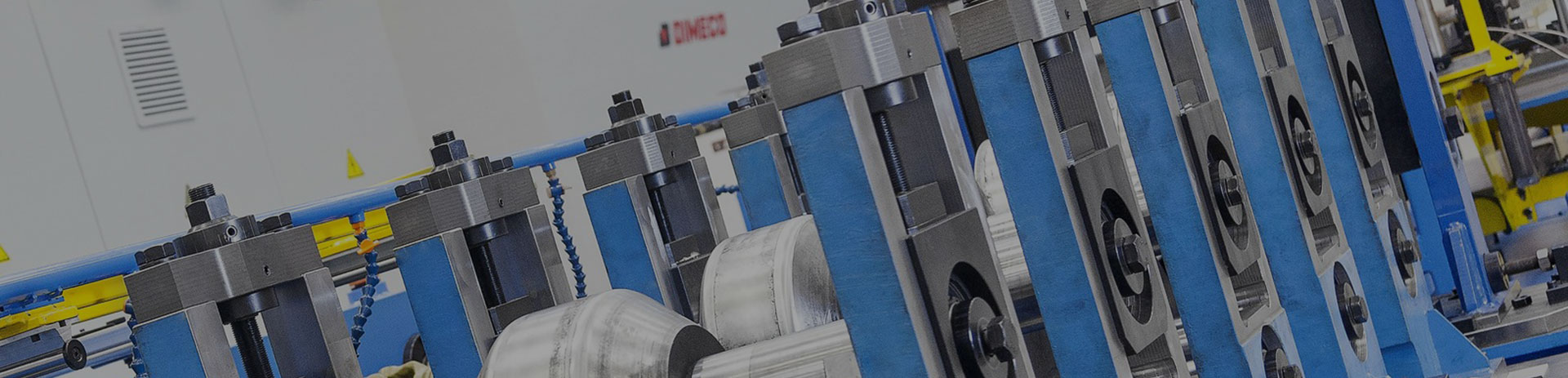
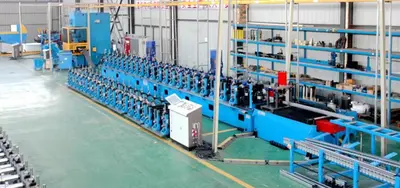
PIR sandwich panels are typically produced on continuous production lines for high efficiency and uniform quality. The process involves decoiling steel coils, profiling the upper and lower metal sheets through roll forming, injecting or foaming the PIR mixture between the facings in a laminator or double-belt press, and then curing, cutting, and stacking the finished panels. Precise control over foam density, adhesion, and core thickness ensures consistent performance across large production runs.
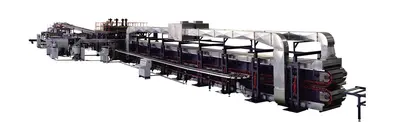
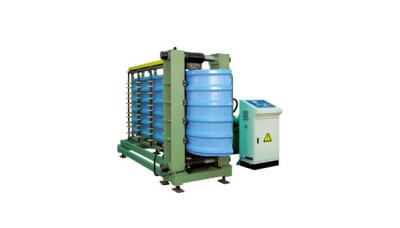
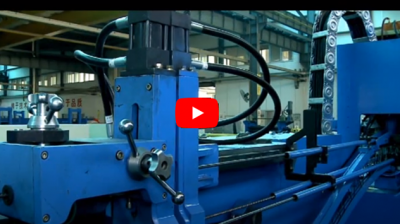
Advanced machinery plays a crucial role in meeting growing demand. The PU/PIR Continuous Sandwich Panel Production Line from Jinggong exemplifies state-of-the-art technology in this field. This fully automated line integrates decoiling, roll forming, high-pressure foaming, laminating, and high-speed cutting systems to produce high-quality PIR and PUR sandwich panels continuously. It handles various metal thicknesses and profiles while maintaining tight tolerances on core density and bonding strength. With features like precise temperature control in the curing section and automated stacking, the Jinggong line enables manufacturers to achieve high output volumes with minimal waste, supporting cost-effective production of panels tailored for industrial, commercial, and cold storage applications. Its robust design ensures reliable operation even for demanding specifications, such as panels with enhanced fire-retardant formulations or specialized coatings.
This level of automation not only improves productivity but also guarantees the uniform closed-cell structure essential for PIR’s superior insulation and fire properties.

Key Benefits of PIR Sandwich Panels
PIR sandwich panels offer numerous advantages that make them a preferred choice in energy-efficient and rapid construction:
Superior Thermal Insulation: The low lambda value allows buildings to meet stringent energy codes with thinner walls or roofs, reducing material use and increasing usable interior space. This translates to significant energy savings for heating and cooling, lowering operational carbon emissions over the building’s lifespan.
Enhanced Fire Safety: PIR’s char-forming behavior and higher temperature resistance provide better reaction-to-fire performance. Panels can contribute to fire-rated assemblies, making them suitable for buildings with strict safety requirements, such as warehouses, public facilities, or industrial plants. They produce less smoke than many alternatives, improving evacuation safety.
Lightweight and Structural Efficiency: With an excellent strength-to-weight ratio, PIR panels reduce the load on the building’s primary structure, enabling lighter foundations and faster erection. They can span considerable distances while providing rigidity.
Moisture and Air Tightness: Profiled joints and the closed-cell core create effective barriers against air leakage, water ingress, and vapor diffusion. This is particularly valuable in cold storage facilities, where maintaining temperature and hygiene is critical.
Speed of Construction and Cost Efficiency: Prefabricated panels allow installation by screwing or interlocking systems, slashing on-site labor and construction time compared to traditional brick, block, or multi-layer assemblies. Low maintenance and durability further reduce lifecycle costs.
Design Flexibility: Available in a wide array of colors, coatings (including corrosion-resistant options), and profiles, from flat to deeply ribbed, PIR panels support diverse architectural styles, from sleek modern facades to functional industrial designs. Corner panels and special variants add aesthetic and functional versatility.
Applications of PIR Sandwich Panels
Industrial and Commercial Buildings: Warehouses, logistics centers, production facilities, and retail spaces benefit from quick assembly, high insulation, and durable exteriors.
Cold Storage and Food Processing: Specialized cold store panels with PIR cores maintain precise low temperatures while meeting hygienic standards. The moisture resistance and airtight joints prevent condensation and ice formation.
Agricultural Structures: Barns, stables, and storage sheds utilize PIR panels for energy-efficient roofing and cladding, with some variants featuring aluminum foil liners for specific needs.
Sports and Public Facilities: Halls, arenas, and swimming pools leverage the panels’ insulation and fire properties.
Renovations and Modular Construction: Their lightweight nature makes them ideal for retrofitting existing buildings or assembling modular units.
Roofs and Facades: Suitable for low to medium slope roofs and external walls, providing weather protection alongside insulation.
Potential Considerations and Comparisons
While PIR panels excel in many areas, users should consider project-specific factors. They generally cost more than standard PUR or EPS panels due to superior performance, but the investment often pays off through energy savings and compliance with regulations. In applications requiring maximum acoustic absorption or certain fire compartmentalization, mineral wool cores may be compared or combined in hybrid systems. Proper joint detailing and installation remain essential to realize full benefits, particularly for airtightness and fire performance.
Environmental aspects continue to evolve, with manufacturers focusing on lower-emission production and recyclable content. PIR’s long service life and contribution to energy-efficient buildings support broader sustainability goals.
A PIR sandwich panel represents an intelligent, integrated solution that addresses the key demands of contemporary building: energy efficiency, safety, speed, and durability. By combining robust metal facings with a high-performance polyisocyanurate foam core, these panels deliver exceptional thermal insulation, improved fire resistance, and structural reliability in a lightweight, easy-to-install format. From large-scale industrial warehouses to temperature-controlled facilities and architectural facades, PIR panels enable faster project timelines and lower operational costs while helping meet stringent environmental and safety standards.
Innovations in manufacturing, such as the PU/PIR Continuous Sandwich Panel Production Line developed by Jinggong, ensure that high-quality PIR panels can be produced efficiently and consistently at scale. This technology supports the global shift toward sustainable and resilient construction by enabling precise control over core properties and panel specifications.
As building codes tighten around energy use and fire safety, PIR sandwich panels stand out as a versatile and future-proof choice. Their ability to provide high performance in slim profiles makes them particularly valuable in space-constrained or high-value projects.

 CN
CN
 EN
EN
 fr
fr  de
de  es
es  it
it  ru
ru  pt
pt  ar
ar  th
th  pl
pl  ro
ro 

 Call us on:
  Email Us:
  #1809, Jianhu Rd, Keqiao, Shaoxing, Zhejiang, China